Nursery care · Practical guide
A Cleaner Changing Station: Practical Features in Naturepedic Nursery Helps
A well-planned changing station is less a command center than a small piece of domestic choreography: a steady surface, a few useful supplies, and a way to deal with the inevitable spill before it becomes a larger production. Naturepedic’s organic cotton changing pad offers one model for thinking through that setup, with a wipe-clean surface, contoured sides, and options for securing it to furniture.
Published November 11, 2026
The small architecture of a diaper change
A changing station is one of those nursery arrangements whose importance is easiest to recognize in retrospect. Before a baby arrives, the room may seem to call for a palette, a lamp, perhaps a chair with the air of a good intention. Then the ordinary work begins: fastening a fresh diaper, finding a clean cloth, disposing of the used one, and keeping a curious, mobile child safely attended throughout. The station becomes less decoration than infrastructure.
Its usefulness depends on a few unglamorous things working together. The surface should be stable and suited to the furniture beneath it. Essentials should be close enough to reach without turning away or stepping away. And the materials should be manageable when they meet the realities of infant care—small leaks, damp cloths, lotions, and the occasional moment when an orderly plan is overtaken by events.
That is the practical lens through which to consider a changing pad. Naturepedic’s organic cotton changing pad is described as having a contoured shape, a waterproof coating made from non-GMO sugarcane-derived polyethylene, and attachment hardware intended to help secure it to a dresser. Those features address different parts of the same task: comfort and containment, cleanup, and stability. They do not replace attentive supervision or safe installation, but they can help make a daily routine more straightforward.
A surface that can be cleaned without ceremony
Changing surfaces encounter frequent messes; a design that can be wiped down may therefore matter more in practice than a complicated set of accessories. Naturepedic’s changing pad is described as using a clear, food-grade waterproof coating made from non-GMO sugarcane. The coated surface is intended to be easy to clean after ordinary changing-time spills. That can simplify the immediate reset: remove visible residue, clean according to the manufacturer’s instructions, and prepare the surface for its next use.
“Waterproof” is useful, but it is not a substitute for checking the care directions. A coating may have specific cleaning requirements, and a product’s materials should not be assumed to tolerate every household disinfectant, solvent, or abrasive sponge. A gentler, manufacturer-approved routine is usually the sensible starting point. Keeping a clean, soft cloth nearby can also make it easier to dry the surface after wiping, rather than leaving moisture around seams or edges.
The changing pad’s construction is described as an organic cotton cover around a contoured polyethylene foam core, with polyethylene waterproofing and other components used for straps and bindings. The product information also identifies GOTS and/or OCS-certified organic cotton fabric and batting. These details help explain what the pad is made of, but material language is not a substitute for checking fit, care requirements, or the condition of the product over time. A caregiver choosing nursery products can consider certifications alongside practical questions: Will the pad fit the furniture? Is the surface easy to maintain? Can the whole setup be kept stable?
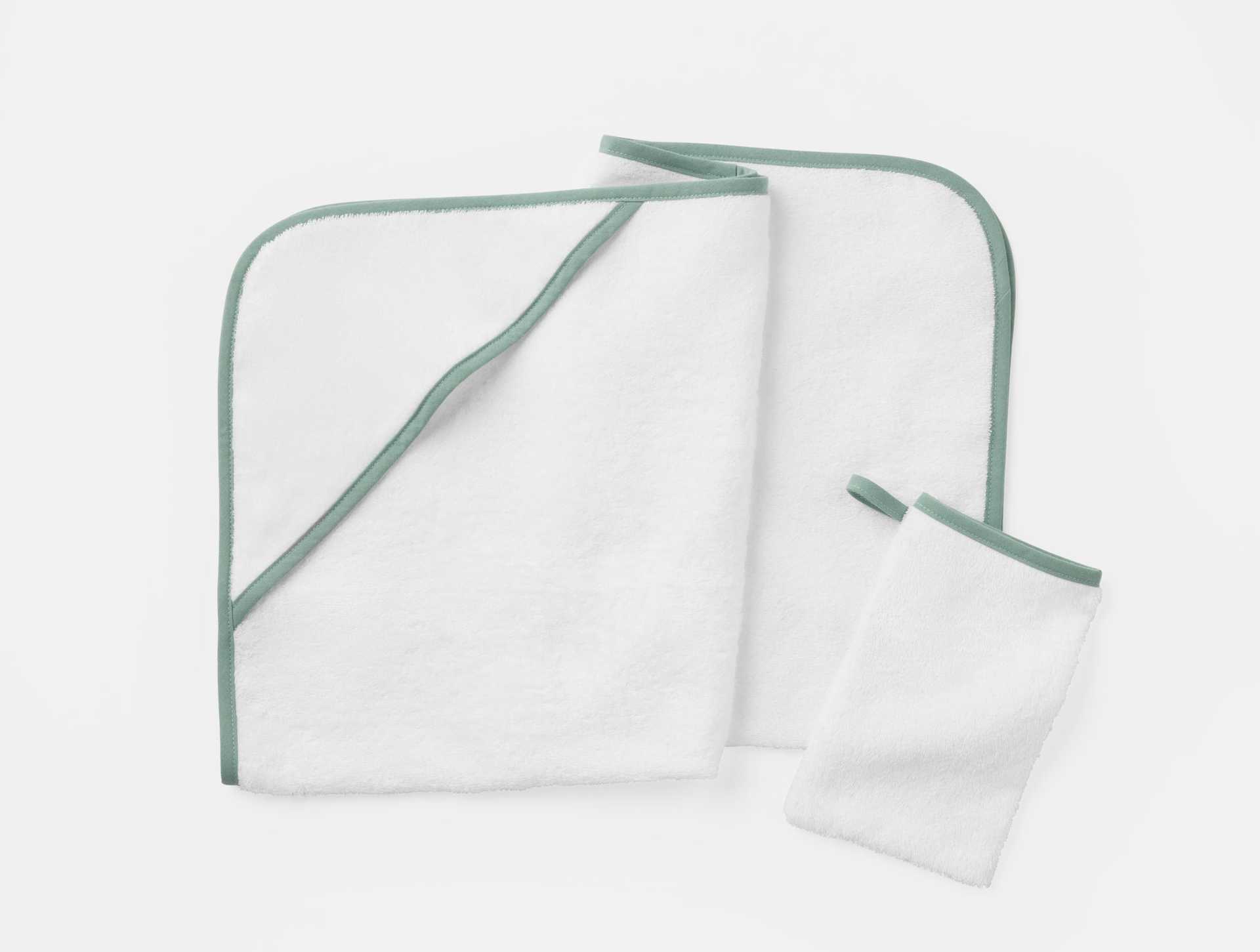
A separate cloth can be useful as a removable top layer when a caregiver wants an additional washable surface. It should lie flat and should not interfere with the pad’s intended fit or any safety features. The aim is not to build a stack of layers, but to make the station easy to reset without introducing loose or bunched fabric that could complicate handling.
What contoured sides do—and do not—mean
Naturepedic’s changing pad is described as having contoured sides designed to support and nestle a baby in the center. The shape may help make the surface feel more defined than a flat pad, and it can offer a little organization to the changing area. The product also includes a safety buckle, while snap screws are supplied for attaching the pad to a dresser.
Those features should be understood as parts of a setup, not as permission to leave a baby alone. Infants can move unexpectedly, and a strap or raised edge cannot replace an adult’s continuous attention. Before a change, it helps to gather the diaper, wipes or washcloth, a clean outfit if needed, and any other routine supplies. During the change, keep a hand on the baby when appropriate and remain close enough to respond immediately. If something essential is out of reach, take the baby with you rather than stepping away.
Installation also deserves its own pause. A pad intended to attach to furniture should be secured according to the manufacturer’s directions, using the included hardware as specified. Check that the dresser or table is steady and that the pad does not shift during ordinary use. If the changing area is on a dresser, consider the stability of the furniture itself and follow its instructions for anchoring, where applicable. A secure pad on unstable furniture is not a secure station.
Contoured sides, a buckle, and attachment hardware have different functions. The contours shape the changing surface; the buckle is part of the pad’s restraint system; the screws help attach the pad to furniture. None should be treated as a guarantee against falls. The most reliable safety measure remains an attentive caregiver, supported by a thoughtfully arranged, well-maintained space.
Keep the essentials close, not crowded
A station can be both well supplied and visually quiet. The useful distinction is between what belongs within easy reach and what should be stored elsewhere. A small set of everyday necessities—diapers, wipes or a soft cloth, a change of clothing, and a container for used items—can be arranged so that the caregiver does not need to leave the baby unattended to retrieve them. Larger packages, backup toiletries, and spare linens can live in a nearby drawer or basket.
Organization works best when it follows the routine rather than the photograph. Place the items used most often where they can be reached from the changing position. Keep products in their original containers when practical, and make sure anything within reach is appropriate for the child’s age and the family’s care plan. Small objects, cords, medications, and products that should not be handled by a baby belong well out of reach. A basket that looks tidy but requires a caregiver to turn away at the wrong moment is not necessarily an improvement.
It can help to think in three simple movements: prepare, change, reset. First, bring the needed supplies within reach and make sure the pad and furniture are stable. Then carry out the change without stepping away. Finally, dispose of waste safely, clean the surface as needed, and restock what has been used. The sequence is modest, but over a day it can reduce the number of small interruptions that make routine care feel more complicated than it is.
For households with more than one caregiver, consistency is useful. Returning supplies to the same places makes the station easier for everyone to use. A short list inside a drawer or cupboard can help identify what is running low. There is no need to turn this into a management system; the point is simply to prevent the final diaper from being discovered at the exact moment it is needed.
A changing pad is one part of nursery care
The word “nursery” tends to gather many kinds of decisions under one roof: the crib, the mattress, the sheets, changing supplies, clothing, and a small reserve of clean textiles. These items have different purposes, and it is helpful not to blur them. A changing pad belongs to the care surface; a crib mattress pad belongs beneath a fitted crib sheet. They are not interchangeable, and a changing pad should not be used as a sleep surface.
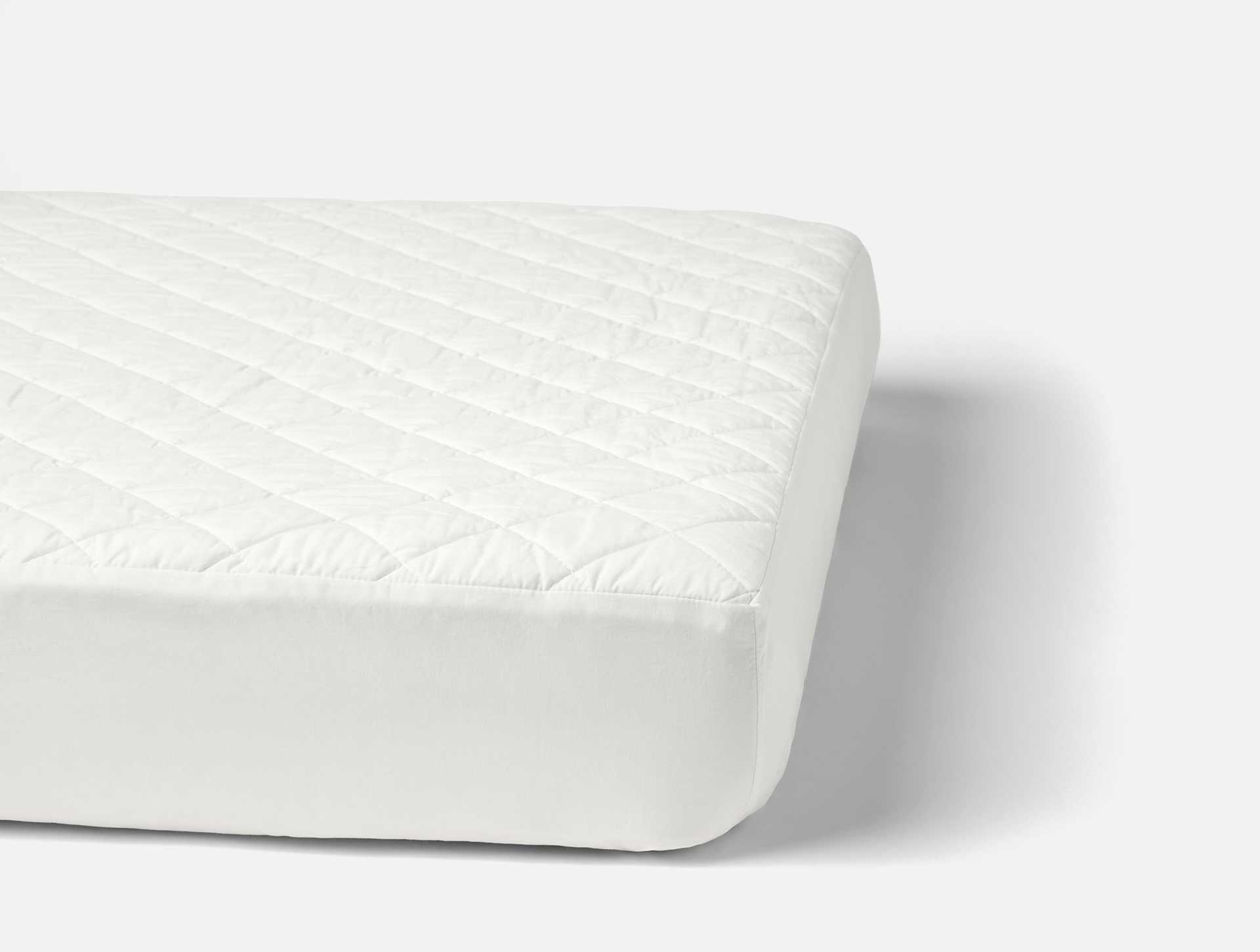
For example, the Organic Crib Mattress Pad is described as a cotton layer intended to sit on a standard crib mattress beneath a fitted sheet. Its construction includes organic cotton inside and out, two-inch quilted squares, and a percale cover. The product information lists machine washing in cold water on a gentle cycle and tumble drying on low. Those are details for crib bedding—not instructions for a changing pad. Keeping the roles of nursery products distinct helps prevent a convenient item from being used in a way it was not designed for.
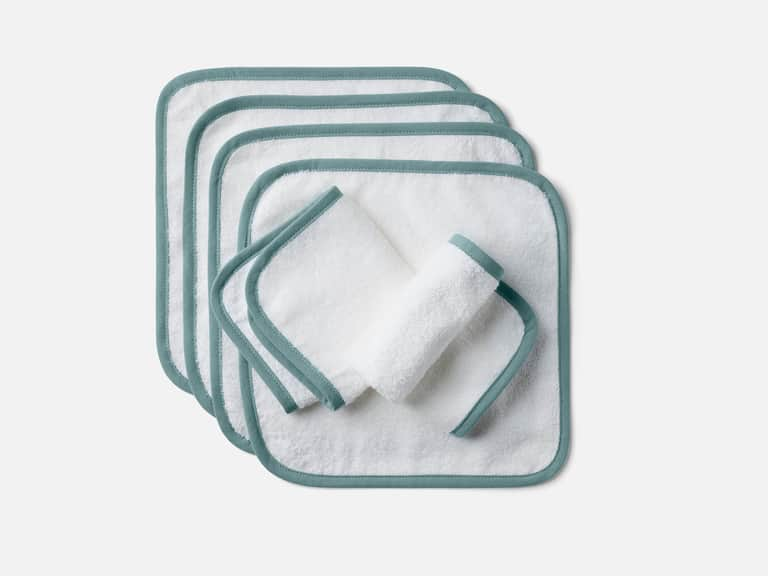
Similarly, a clean washcloth can be useful in a care routine, but it does not make every surface a suitable changing station. The Cloud Loom Organic Baby Wash Cloth set is described as six organic-cotton terry cloths, each twelve inches square, intended for gentle everyday cleansing. A stack of clean cloths in a nearby drawer may be practical; the changing surface itself should still be stable, appropriate to the task, and maintained according to its own instructions.
When selecting or arranging nursery products, the relevant question is not simply whether each item sounds gentle or natural. It is whether it fits the intended use, fits the room, and can be cared for as directed. Product descriptions can help clarify materials and dimensions, while the manufacturer’s instructions should guide installation, cleaning, and use.
A practical setup checklist
Before using a changing station, take a moment to check the arrangement. A brief inspection is easier to repeat than a complicated routine, and it brings the important details into view.
- Check the support. Confirm that the furniture is stable and that the pad is attached according to the manufacturer’s instructions.
- Check the fit. Make sure the pad suits the surface and does not rock, slide, or overhang in a way that creates an unsafe setup.
- Prepare supplies first. Bring the diaper, cloths, and other routine items within reach before placing the baby on the surface.
- Stay with the baby. Never leave an infant unattended on a changing surface, even briefly. If you must move away, take the baby with you.
- Use the buckle as directed. Follow the product instructions, but do not rely on the buckle or contoured sides as a substitute for supervision.
- Clean according to the care guidance. Use the methods recommended by the manufacturer and allow the surface to dry as appropriate.
- Recheck periodically. Look for loose hardware, surface damage, or signs that the pad or furniture has shifted.
The checklist is not meant to turn an ordinary task into an inspection drill. It is a way to make sure the fundamentals—stability, preparation, attention, and cleaning—are not lost amid the cheerful abundance of nursery accessories.
Choosing features that matter in daily use
When comparing changing pads, start with the available space and the furniture you plan to use. Measure the surface, consider whether a pad’s shape and dimensions suit it, and check what attachment method is provided. A feature that seems valuable in the abstract is useful only if it works with the actual station. The Naturepedic changing pad’s product description gives approximate dimensions of 16.5 by 31.5 by 4 inches and notes that snap screws are included for dresser attachment; caregivers should confirm current specifications and compatibility before buying or installing.
Then consider maintenance. A wipe-clean coating may be appealing for quick surface care, while a separate washable cover or cloth can be helpful for situations that call for laundering. Read the exact instructions for the pad and its components rather than assuming that every fabric or coating can be treated alike. A product with a simple care routine is more likely to fit comfortably into everyday life than one whose upkeep is difficult to remember or perform.
Finally, separate material preferences from safety questions. Organic cotton, certifications, and a stated waterproof coating may inform a purchase, but they do not determine whether a pad fits securely or whether the changing area is safe. Conversely, an efficient layout does not remove the importance of understanding a product’s materials and care. A considered choice takes both into account, without asking any single feature to do more than it can.
The calmer kind of convenience
There is no elaborate secret to a cleaner changing station. The helpful arrangement is usually the one that asks the least of a tired caregiver: a stable surface, a pad suited to the furniture, supplies kept close, and a cleaning routine that follows the manufacturer’s instructions. Naturepedic’s changing pad brings several practical considerations together in one product description—contoured sides, a wipe-clean waterproof coating, a buckle, and hardware for attachment—while leaving the essential work of safe use to the setup and the person using it.
With that distinction in mind, the station can be planned for real life rather than an idealized nursery. A used cloth will need replacing. A drawer will run low. A change will sometimes require an unexpected outfit. If the basics are where they belong and the surface is easy to maintain, these disruptions remain manageable. The result is not a perfect room, but something more useful: a dependable corner of the day, arranged to make care a little easier.