Bedding Guide
Choosing a Comforter for a Growing Child: Materials, Fill, and Care
A comforter is a practical object with an oddly personal presence. It gathers the warmth of a room, the habits of a household, and the changing proportions of a child who seems to grow between laundry days. Fabric, fill, weight, size, and care all matter—but so does timing. The right choice depends not only on what feels cozy, but on the child’s age, sleep setup, climate, and the work a family can realistically manage.
First, consider the child’s age and sleep space
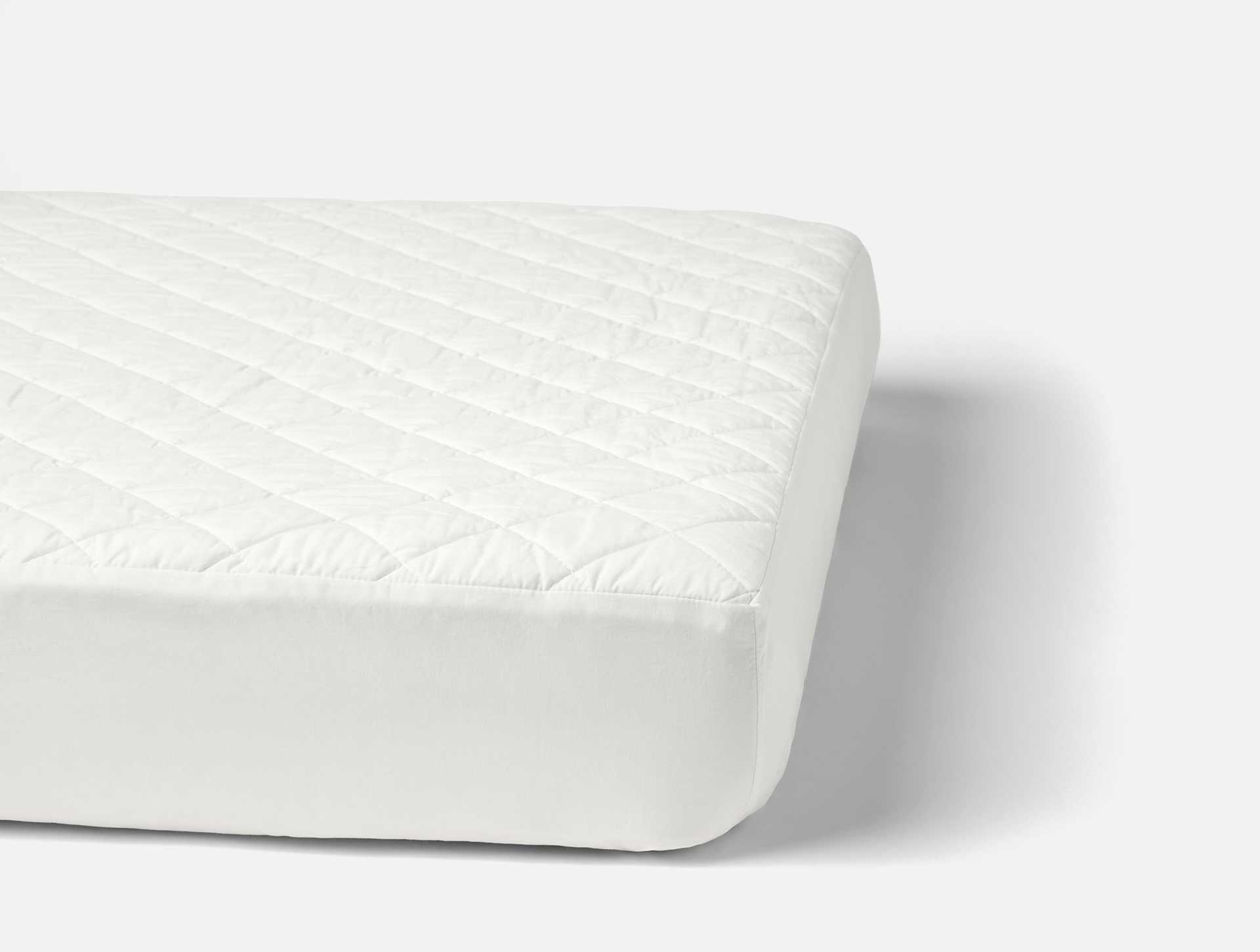
Before comparing cotton covers or lofty fills, establish whether a comforter is appropriate for the person who will use it. For babies, current safe-sleep guidance calls for a clear sleep space: a firm, flat mattress with a fitted sheet, and no loose blankets, pillows, quilts, or comforters. Soft bedding can cover a baby’s face or create other hazards. A comforter that looks harmless folded at the foot of a crib is still loose bedding if it enters the baby’s sleep space.
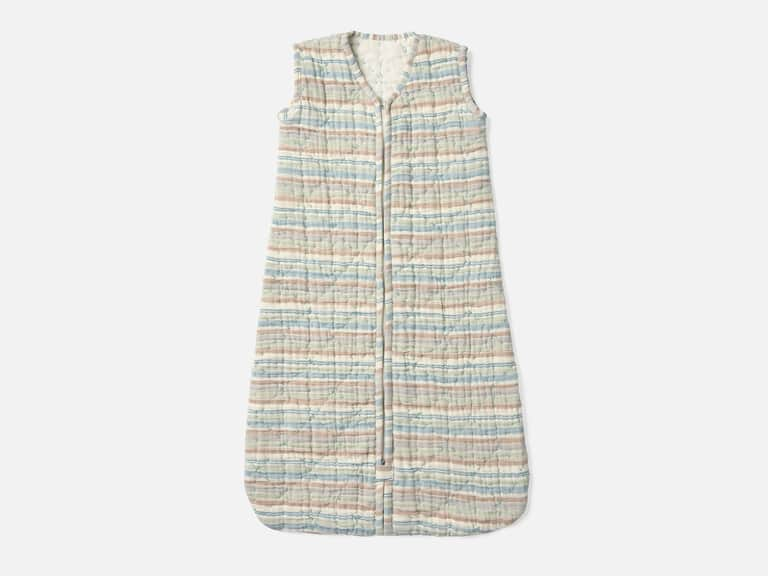
Caregivers with questions about when a child is ready for blankets should check current guidance from their pediatrician or a trusted public-health authority. Readiness is not a date printed on a package, and a product label cannot substitute for individual advice. Until loose bedding is appropriate, a properly sized wearable blanket or sleep sack may offer warmth without placing a loose cover in the sleep area. The Organic Muslin Snuggle Sack, for example, is described as a lightweight, quilted organic-cotton option with a covered zipper. It is a wearable layer for an infant—not a comforter, and not a reason to add loose bedding.
As children move into a bed where a comforter is suitable, the decision becomes less about infant sleep rules and more about fit, temperature, movement, and the child’s own comfort. A young child who kicks off heavy covers may prefer a lighter layer. One who likes a tucked-in bed may value a larger comforter with enough drape. The aim is not to create a miniature hotel bed, but a sleep setup that suits the child safely and can be maintained without fuss.
Choose the cover fabric for feel and routine
The cover is the part that meets hands, pajamas, and, occasionally, a breakfast crumb carried upstairs with great confidence. It also determines much of a comforter’s first impression: crisp or brushed, cool or warm, smooth or textured. Cotton is a common choice because it is familiar, breathable, and available in many weaves. A percale cover tends to feel crisp and matte; sateen generally feels smoother and may have a slight sheen. Brushed cotton and flannel offer a softer, warmer surface, especially appealing in a cool room.
Neither a particular weave nor a particular fiber makes a comforter universally best. Think about how the room behaves over the year. In a well-heated bedroom, a warm brushed cover paired with substantial fill may become too much. In a draftier space, a light cover might suit a child better when paired with an appropriately warm insert. Temperature, pajamas, room heating, and the child’s tendency to sleep hot or cold all contribute to the final equation.
Parents may also compare conventional cotton with organic cotton. Organic certification can provide information about how a material was produced and processed under a particular standard, but it is not a guarantee that a child will sleep better or that a product is automatically suitable for every family. Check what the certification covers, what the care label requires, and whether the finished item feels comfortable. A fabric’s softness, durability, and laundering instructions are often more useful in daily life than a broad claim on a hangtag.
For children with sensitive skin or known allergies, look closely at the full materials list, including the cover, fill, dyes, finishes, and any trim. If a child has a diagnosed allergy or recurring irritation, ask a clinician for advice rather than relying on marketing language such as “natural” or “hypoallergenic.” A fragrance-free detergent and a thorough rinse may also be worth considering, depending on the family’s routine and the child’s needs.
Understand what is inside
Comforter fill is not just a question of softness. It affects warmth, loft, weight, breathability, cleaning, and how the comforter settles over a bed. Common options include down, down alternatives made from synthetic fibers, wool, and cotton. Each has a different feel and set of practical trade-offs; none can be called the best without knowing the bedroom and the household.
Down and down alternatives
Down is light and lofty, capable of providing substantial warmth without the dense feel of a heavy blanket. Its performance varies by construction and fill quality, and some down comforters require careful washing or professional cleaning. Families should read care instructions closely and consider allergies, ethical sourcing preferences, and the cost of upkeep before choosing it.
Down-alternative fills are commonly made from polyester or other synthetic fibers. They can appeal to households looking for a non-down option, and some are designed to be machine washable. But “alternative” is not a single specification: fiber type, construction, density, and stitching all affect how the comforter feels and wears. A washable label is useful only if the comforter will actually fit in the home washer and dryer without crowding them.
Cotton and wool
Cotton fill tends to feel more substantial and less lofty than down. Some families like its familiar, grounded weight; others find it too dense, particularly if the room is warm. It may also dry slowly, so washing instructions and drying capacity matter. Wool can offer warmth with a distinct, sometimes heavier hand, and its care needs vary by construction. Check whether the item can be laundered at home, spot-cleaned, or must be handled more delicately.
Any fill can be well or poorly suited to a particular child. A very fluffy comforter may look inviting but bunch up in ways a child dislikes. A heavier one might feel comforting to one sleeper and oppressive to another. If possible, let the child handle a sample or try the comforter on the bed before committing. The small act of lifting a corner can tell you more than a description full of adjectives.
Warmth and weight: the quiet work of balance
Comforter warmth depends on the combined effect of cover, fill, construction, room temperature, pajamas, and any other bedding. Product descriptions may use terms such as “lightweight,” “all-season,” or “extra warm,” but these labels are not always standardized across makers. Compare details within a brand, and treat broad seasonal claims as a starting point rather than a promise.
Consider the bedroom first. A chilly, poorly insulated room may call for more warmth than a sunny, heated one. Then consider the child. Does the child wake sweaty, throw off covers, or ask for another blanket? Do they sleep still, or twist bedding into a complicated rope by morning? These ordinary observations are useful. If the child tends to overheat, a lighter comforter and breathable sleepwear may make more sense than a thick, high-loft option.
Weight is also a comfort preference, not a treatment. A standard comforter should not be selected on the assumption that extra weight will solve sleep difficulties or provide therapeutic benefits. If a child is seeking pressure or has sensory needs, talk with a qualified health professional before considering specialized weighted bedding. The fact that a product feels soothing in a shop does not settle whether it is appropriate for a child’s age, health, or sleep environment.
Get the size right without overbuying
A comforter should suit the mattress and the bed’s proportions. Too small, and it may leave shoulders uncovered when a child turns. Too large, and it can drag on the floor, tangle around a small sleeper, or become difficult to wash. Measure the mattress and compare those dimensions with the finished comforter—not merely the bed-size name on the package. “Twin” and “full” can be interpreted differently by manufacturers, and comforters often include extra width for drape.
Consider the child’s height and how long the bedding is likely to remain useful. A larger comforter may serve through a move from a toddler bed to a larger mattress, but it should not be so cumbersome that it overwhelms the current bed. If the child changes beds soon, a flexible, easy-care option can be more sensible than an elaborate set designed for a room that may soon look different.
Look at the construction as well as the measurements. Stitching or baffle design helps keep fill distributed. If fill shifts toward the edges or gathers in clumps, warmth may become uneven and the comforter may feel lumpy. Sewn-through channels and box construction each have their own appearance and behavior; the important thing is that the fill remains reasonably even after normal use and cleaning.
Care instructions belong in the buying decision
In a child’s room, laundering is not an abstract future possibility. Spills, dust, damp hair, and the occasional stomach bug all have a way of making the care label suddenly important. Before buying, check whether the entire comforter is machine washable, whether it requires a large-capacity machine, and whether it can be tumble-dried. A comforter that needs special handling may be a poor match for a family that wants to wash bedding frequently at home.
Follow the maker’s instructions rather than assuming that all cotton, down, or synthetic bedding can be treated alike. Use the recommended water temperature and cycle, and avoid overloading the washer. Detergent residue can leave fabric less pleasant against the skin, so use an appropriate amount and rinse thoroughly. Dry the comforter completely; lingering dampness can lead to odor and may encourage mildew. For down or other delicate fills, ensure the product is fully dry and evenly fluffed according to its care guidance.
A removable duvet cover can simplify routine cleaning because the cover is generally easier to wash than the insert. It also allows a room’s appearance to change without replacing the entire comforter. The trade-off is another layer to put on, remove, and keep in place. Some children find a duvet cover reassuringly smooth; others find that the insert slips around inside it. A few nights of real use will reveal whether the system is practical.
For items that cannot be machine washed, weigh the likely cleaning expense and inconvenience honestly. A beautiful comforter that sits unused because everyone is nervous about washing it is not a successful purchase. A modest, durable option that can be laundered on an ordinary weekend may be more valuable than a delicate one with an impressive label.
A calm checklist for comparing comforters
When product pages begin to blur together, return to a short list of concrete questions. The answers need not be perfect; they should simply fit the child and the household.
- Is a comforter appropriate for this child’s age and sleep setup? For infants, keep loose bedding out of the sleep space and consult current safe-sleep guidance.
- Does the size match the mattress? Compare finished dimensions and consider how much drape is useful, not just decorative.
- What is the cover made from? Consider texture, breathability, durability, and any known sensitivities.
- What is the fill? Compare warmth, loft, weight, allergies, sourcing preferences, and likely care needs.
- How warm is the bedroom? Choose for the room and the child’s sleep habits rather than relying on season labels alone.
- Can the household care for it? Confirm washer capacity, drying method, and any professional-cleaning requirements.
- Does the child like the feel? A child’s preference matters, especially when the bedding is intended for nightly use.
This is not a competition to locate the most elaborate comforter. It is a way to avoid paying for features that do not help, and to notice the unglamorous details—dimensions, drying time, construction—that determine whether bedding works once it is out of its packaging.
A note on materials and household values
Some families prioritize certified organic fibers, others focus on easy washing, long service life, or a lower purchase price. These priorities can overlap, but they are not identical. A certification may offer a clearer account of particular production standards; it does not necessarily describe every component or guarantee that the finished comforter is durable. Read the product details and care label, and be wary of claims that use broad words without explaining what they mean.
Longevity can be a form of practicality. A well-made comforter that survives repeated washing and can be passed along may be preferable to one bought cheaply and replaced often. Conversely, children’s tastes and room sizes change, and there is no virtue in buying a costly item intended to last decades if it is unlikely to suit the child next year. The most responsible purchase is often the one that fits actual use, not an idealized picture of a perfectly coordinated bedroom.
Keep the rest of the sleep environment simple. A comforter does not need to be accompanied by a pile of decorative pillows, plush toys, or extra blankets to make a bed feel welcoming. For a child old enough to use a comforter, the bedding can be comfortable and attractive without making the bed difficult to manage. For a baby, adult preference for a layered nursery should never override safe-sleep recommendations.
The best choice is the one that works at home
Choosing a comforter for a growing child is less a matter of discovering a perfect material than of matching several ordinary realities. The cover should feel good against the skin. The fill should suit the room and the child’s habits. The size should fit the bed without swallowing it. The care instructions should be compatible with the family’s laundry routine. And the child must be at an age and stage when loose bedding is appropriate.
Those considerations may not produce a dramatic reveal. They produce something better: a bed that is comfortable, manageable, and suited to the person sleeping in it. Children outgrow pajamas, favorite colors, and sometimes entire rooms with startling speed. Bedding cannot prevent that passage. It can, however, make the nightly routine a little more settled—one washable, well-chosen layer at a time.