The Ultimate Guide to Eco-Friendly Diapering: Making Sustainable Choices for Your Baby
As parents become increasingly aware of their ecological footprint, the choice of diapering options has come into focus. Eco-friendly diapering not only reduces landfill waste but also promotes a healthier environment for your child. This guide will delve into various sustainable options, comparing cloth diapers, biodegradable disposables, and hybrid systems to help parents make informed decisions that align with their values.
Understanding the Environmental Impact of Traditional Diapers
Every year, an estimated 20 billion disposable diapers are used in the United States alone, resulting in about 3.5 million tons of waste. Traditional disposable diapers can take 500 years to decompose in landfills, releasing harmful chemicals into the environment. Additionally, the production of these diapers requires significant resources, including trees, petroleum, and water. The urgency to shift towards sustainable alternatives has never been more critical.
Choosing Eco-Friendly Diapering Options
1. Cloth Diapers
Cloth diapers are making a strong comeback as parents seek to minimize their environmental impact. Made from natural fibers such as cotton, hemp, or bamboo, cloth diapers are biodegradable and can be reused for multiple children. They require a higher initial investment but can save families money in the long run. There are various styles available, including all-in-ones, pocket diapers, and fitted diapers, making it easier for parents to find the right fit for their lifestyle.
2. Biodegradable Disposable Diapers
For parents who prefer the convenience of disposables, biodegradable diapers offer a more eco-friendly alternative. These products are made from plant-based materials that break down more quickly than traditional disposables. They can decompose within a few years, significantly reducing their impact on the environment. However, some brands still contain plastic elements, so it’s essential to research and choose brands committed to sustainability.
3. Hybrid Diapers
Hybrid diapers combine the benefits of cloth and disposable options. These systems typically feature a reusable outer shell with disposable inserts, allowing parents to customize their diapering experience based on their needs. Hybrid systems are particularly appealing for on-the-go parents who want the convenience of disposables while still making a sustainable choice.
Key Benefits of Eco-Friendly Diapering
Switching to eco-friendly diapering options not only benefits the environment but also promotes a healthier lifestyle for your child. Here are some key advantages:
- Reduced Chemical Exposure: Many disposable diapers contain harmful chemicals and fragrances that can irritate a baby's sensitive skin. Cloth and biodegradable options minimize this risk.
- Cost-Effective: While the initial investment in cloth diapers may be higher, they can lead to significant savings over time, especially if reused for multiple children.
- Customization: Parents can choose the style and materials that best suit their baby's needs, ensuring maximum comfort and effectiveness.
Creating a Safe and Eco-Friendly Nursery Environment
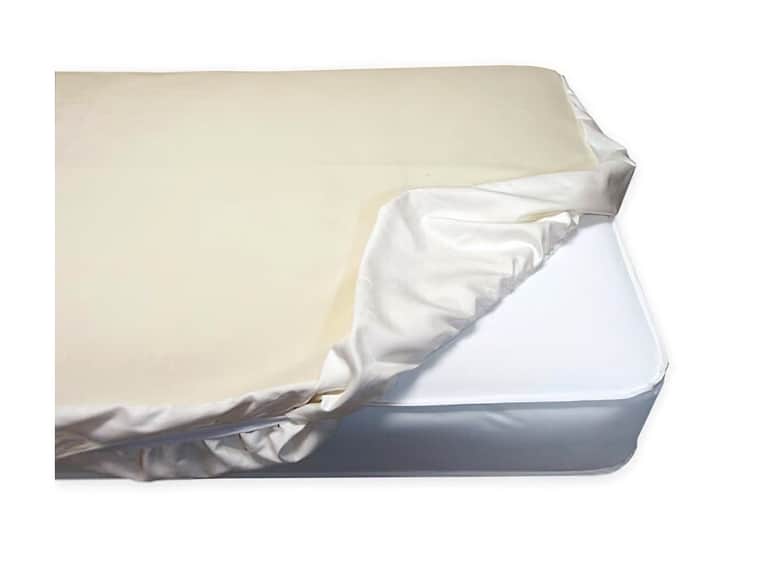
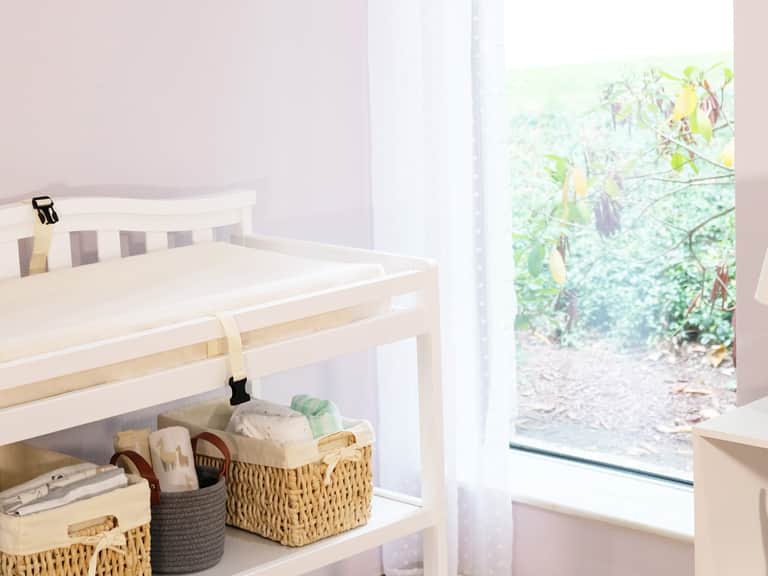
As you transition to eco-friendly diapering, consider the entire nursery environment. Choosing organic products for your baby’s sleep space can further reduce chemical exposure and promote a healthy atmosphere. For instance, the Naturepedic Waterproof Organic Cotton Crib Mattress Pad provides a natural and safe sleeping surface for your infant. This fitted waterproof moisture pad is made with soft organic cotton flannel on top for comfort, while a waterproof barrier prevents leaks and blocks dust mites.
Naturepedic Waterproof Organic Cotton Crib Mattress Pad - Fitted
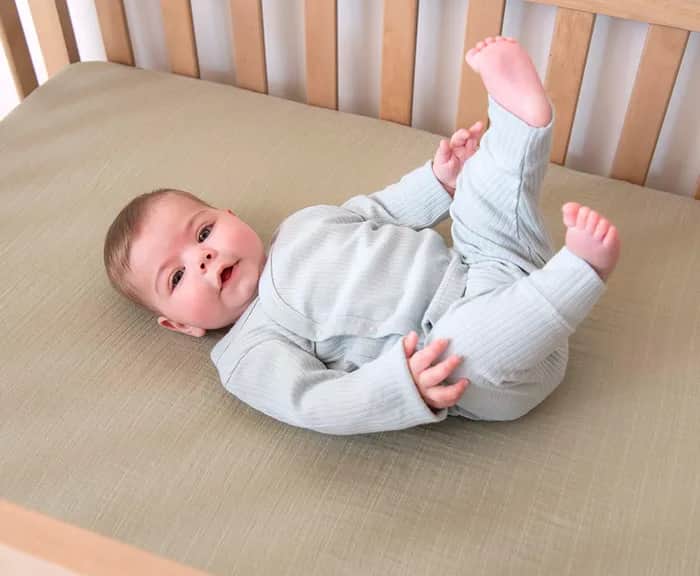
To a new parent, there are few scenes more delightful than that of your child sleeping peacefully. Healthy, rejuvenating sleep is important for everyone — including your baby. This fitted waterproof moisture pad by Naturepedic is designed to provide the safest, most natural, and comfortable sleep environment possible.
Price: $79.00
View Product
Inspiring Figures in Sustainable Parenting
Throughout history, several key individuals have championed the cause of sustainable parenting and eco-friendly products:
1. Dr. Seuss (Theodor Geisel)
Famed author of children's books, Dr. Seuss, used his platform to raise awareness about environmental issues. His beloved story, "The Lorax," emphasizes the importance of caring for the earth. His work has inspired generations of parents to instill eco-conscious values in their children.
2. Rachel Carson
As a pioneering environmentalist, Rachel Carson's book "Silent Spring" raised awareness about the dangers of pesticides and their impact on the environment. Her advocacy for environmental conservation through education has influenced many parents to choose safer, chemical-free products for their children.
3. Bea Johnson
Author of "Zero Waste Home," Bea Johnson promotes a minimalist lifestyle that focuses on reducing waste. Her principles encourage parents to rethink their consumption habits, making sustainable choices that benefit both their families and the planet.
Conclusion
As you embark on the journey of parenting, making eco-friendly diapering choices can significantly impact your child's health and the environment. By opting for cloth, biodegradable disposables, or hybrid systems, you are contributing to a sustainable future. Coupled with a safe nursery environment, your commitment to eco-conscious parenting helps nurture a generation that values and protects our planet.
In this journey, remember that every small change counts. By raising awareness and making informed decisions, you can pave the way for a healthier, greener world for your child and generations to come.